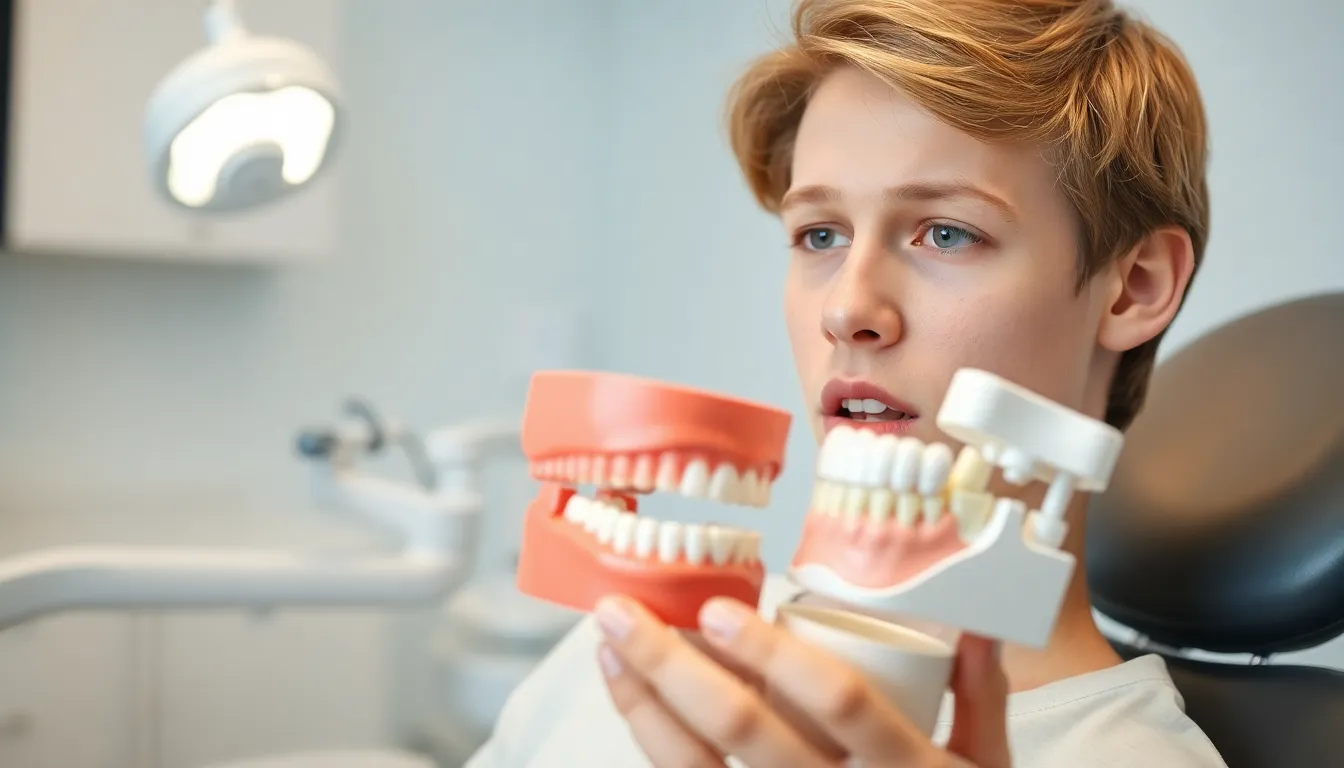
Wisdom teeth, often referred to as third molars, typically make their debut in late adolescence or early adulthood. For many, this phase of dental development sparks curiosity and concern. Understanding when wisdom teeth come in can help individuals prepare for the potential discomfort and dental decisions that lie ahead.
Most people experience these teeth emerging between the ages of 17 and 25. However, the exact timing can vary widely from person to person. Factors such as genetics and oral health play a significant role in determining when wisdom teeth will make an appearance, leading some to wonder if they’ll need to seek dental intervention. Knowing what to expect can ease anxiety and promote proactive care.
Understanding Wisdom Teeth
Wisdom teeth, or third molars, are the last set of molars that typically appear in late adolescence or early adulthood. Their emergence can bring about various dental concerns and awareness of oral health.
What Are Wisdom Teeth?
Wisdom teeth are the final set of molars located at the back of the mouth. They generally emerge between the ages of 17 and 25, although some individuals may experience varying timelines influenced by genetics, oral hygiene, and overall dental health. These teeth serve the purpose of grinding food, but their usefulness may diminish due to changes in diet and dental care over time. Many people face complications related to their growth, such as impaction or overcrowding, necessitating dental assessments.
Why Are They Called Wisdom Teeth?
The term “wisdom teeth” originates from the age at which they typically emerge, reflecting a period of maturity or “wisdom.” Unlike earlier tooth eruptions that occur in childhood, wisdom teeth appear when individuals are transitioning into adulthood. This timing associates the teeth with a more mature stage of life, hence the name.
When Do Your Wisdom Teeth Come In?

Wisdom teeth, or third molars, generally emerge between late adolescence and early adulthood. This stage usually occurs within the ages of 17 to 25.
Age Range for Eruption
Most individuals experience wisdom teeth eruption around ages 17 to 25. Some may notice their wisdom teeth emerging earlier in their teenage years, while others may not see any growth until their mid-twenties. The exact timing can vary, as not everyone develops wisdom teeth at the same rate.
Factors Influencing Eruption Timing
Various factors can affect the timing of wisdom teeth eruption, including:
- Genetics: Family history plays a significant role in determining when wisdom teeth appear.
- Jaw Size: Smaller jaws may lead to delayed eruption or impaction, as there may not be enough room for the teeth.
- Oral Health: Conditions like gum disease or cavities can inhibit proper growth and eruption of wisdom teeth.
- Dietary Habits: Nutritional factors may influence dental development and timing of tooth emergence.
- Environmental Factors: External influences, such as access to dental care, can also impact wisdom teeth timing.
Understanding these factors aids in preparing for potential dental evaluations and interventions.
Symptoms of Emerging Wisdom Teeth
Emerging wisdom teeth can cause various symptoms. Recognizing these signs helps individuals manage their dental health effectively.
Common Signs of Eruption
- Pain or Discomfort: Many experience pain in the back of the mouth as wisdom teeth begin to push through the gums.
- Swelling: Swelling around the gums or jaw can occur as the teeth erupt, indicating inflammation.
- Gum Sensitivity: Increased sensitivity in the gums near the erupting teeth may signal their impending arrival.
- Jaw Stiffness: Stiffness in the jaw may arise due to the pressure from the emerging teeth.
- Bad Breath: Unpleasant odors can develop due to bacteria and food particles trapped around the erupting wisdom teeth.
Possible Complications
- Impaction: Wisdom teeth may become impacted if there is insufficient space in the jaw, causing pain and infection.
- Crowding: Emerging wisdom teeth can push adjacent teeth, leading to misalignment and overcrowding.
- Cysts: Fluid-filled sacs may develop around impacted wisdom teeth, leading to further dental complications.
- Decay: Difficulties in cleaning the area around wisdom teeth can lead to cavities or gum disease.
- Infection: Emerging wisdom teeth can create pockets where bacteria thrive, increasing the risk of oral infections.
Managing Wisdom Teeth
Managing wisdom teeth involves recognizing symptoms and consulting with dental professionals when necessary. Understanding treatment options can also aid individuals in dealing with complications effectively.
When to See a Dentist
Individuals should see a dentist if they experience persistent pain, swelling, or signs of infection near the molar area. Frequent headaches, jaw stiffness, and difficulty opening the mouth also warrant a dental visit. Presence of cysts or tumors around the gums can indicate complications that require prompt evaluation. Dentists can assess alignment, determine the need for extractions, and guide patients through the process of management.
Treatment Options Available
Treatment options for problematic wisdom teeth include:
- Monitoring: Regular check-ups can help track the development of wisdom teeth and address minor issues before they escalate.
- Extraction: Surgical removal of wisdom teeth is common if impaction, crowding, or other complications occur.
- Antibiotics: Prescribing antibiotics can effectively treat infections associated with erupting wisdom teeth.
- Pain Relief: Non-prescription pain relievers can alleviate discomfort during the eruptive phase.
Recognizing the need for dental care and exploring available treatment options may significantly improve oral health and overall well-being.
Wisdom teeth often bring a mix of curiosity and concern as they emerge during a critical period of life. Being aware of when these molars typically come in can help individuals navigate potential discomfort and make informed choices about their dental health. Recognizing symptoms and understanding the possible complications associated with wisdom teeth is essential for maintaining oral well-being.
Seeking professional advice when experiencing discomfort or other related symptoms can lead to effective management strategies. Ultimately, being proactive about dental health during this time can lead to a smoother transition into adulthood and better overall health in the long run.