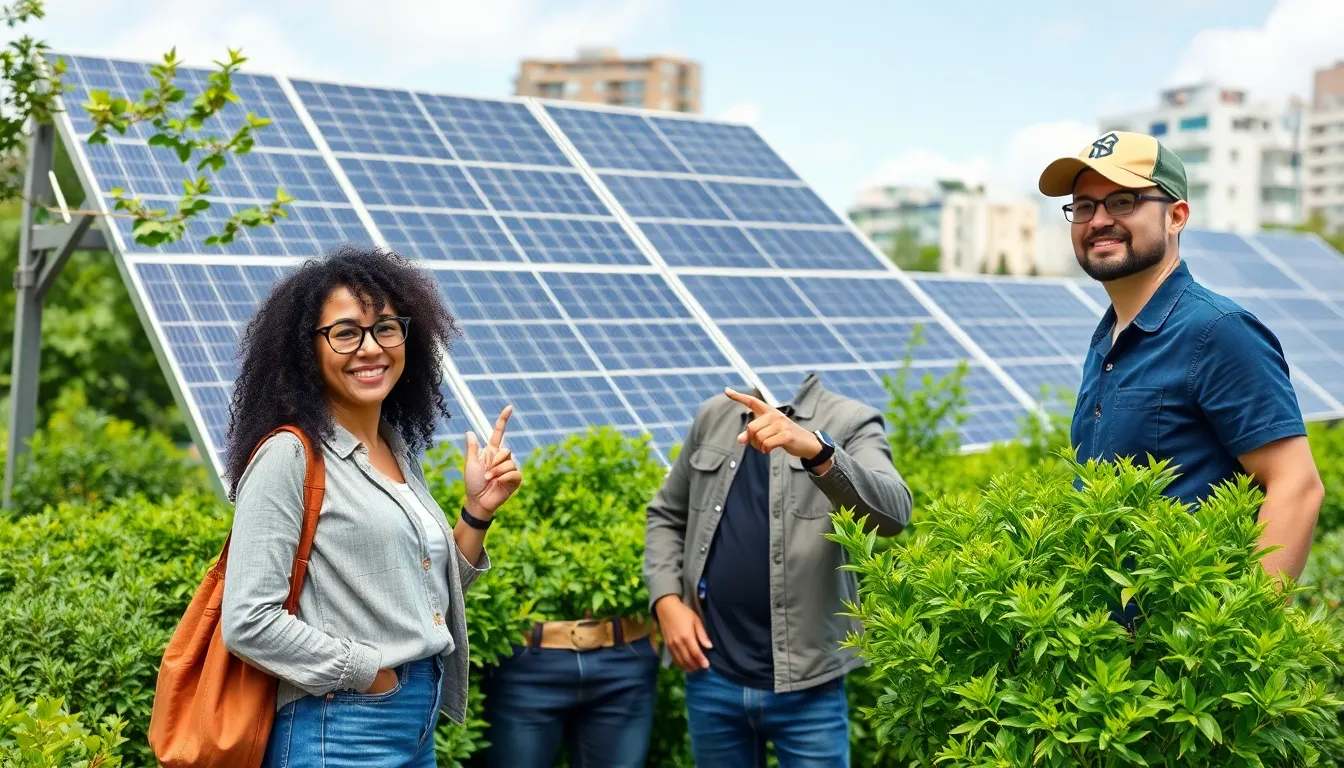
In a world where the only thing growing faster than technology is the number of plastic straws in the ocean, it’s time to consider how innovation can save the planet. Enter tech for sustainability—a dazzling realm where gadgets and green initiatives join forces to tackle climate change. Imagine a future where your smartphone not only tells you the weather but also helps you reduce your carbon footprint.
From smart homes that sip energy like a fine wine to apps that track your eco-friendly habits, technology is stepping up to the challenge. It’s not just about saving the planet; it’s about making sustainability as trendy as the latest viral dance move. Join the movement that’s turning tech into a superhero for our earth, one byte at a time. Who knew saving the world could be this cool?
Overview of Tech for Sustainability
Technology increasingly plays a crucial role in sustainability efforts. Innovative solutions emerge to address environmental challenges, enabling businesses and individuals to reduce their carbon footprints. Smart devices, for instance, allow users to monitor energy consumption in real-time, promoting efficient usage.
Renewable energy technologies enhance the sustainability landscape significantly. Solar panels and wind turbines provide alternatives to fossil fuels, reducing greenhouse gas emissions. Smart grids optimize energy distribution, ensuring that renewable resources reach consumers effectively.
Waste management technologies also contribute to sustainability initiatives. Advanced recycling systems utilize AI to sort materials accurately, increasing recycling rates. Composting solutions help manage organic waste, turning it into valuable resources for agriculture.
Water conservation technology helps mitigate water scarcity. Smart irrigation systems adjust watering schedules based on weather data, maximizing efficiency. Additionally, water purification technologies ensure access to clean water, essential for global sustainability.
Sustainable transportation innovations facilitate greener commuting options. Electric vehicles eliminate harmful emissions associated with traditional cars. Public transportation apps promote shared mobility, decreasing the number of vehicles on the road.
The tech for sustainability movement continues to grow. Companies integrate eco-friendly practices into their operations, supporting a wider adoption of sustainable solutions. Consumers increasingly seek products that align with their values, driving demand for sustainable technologies.
Innovative Technologies
Innovative technologies play a vital role in advancing sustainability initiatives. Different sectors are experiencing transformations through the integration of these technologies, contributing to a greener future.
Renewable Energy Solutions
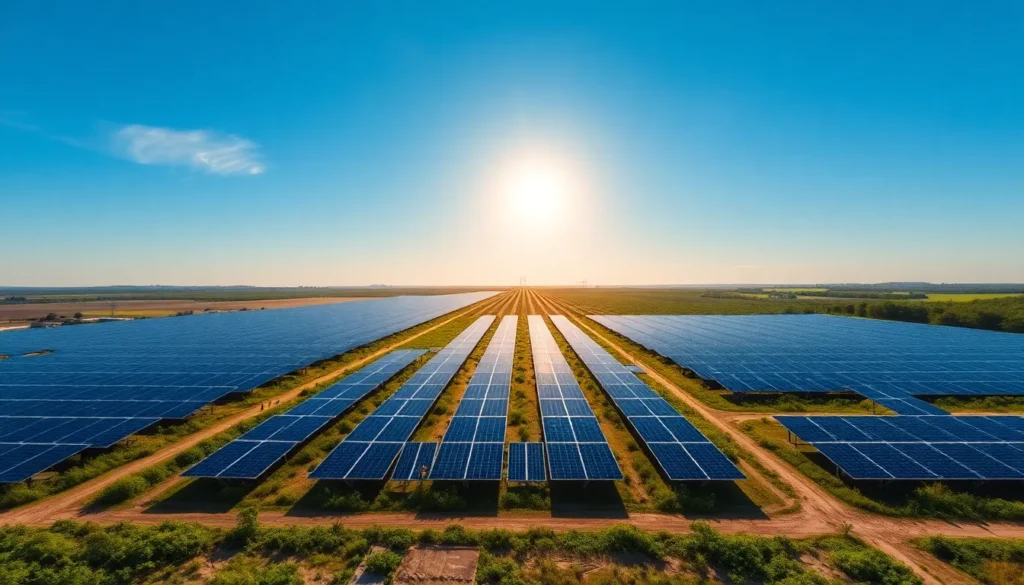
Renewable energy solutions represent a crucial shift towards sustainable power sources. Solar panels harness energy from the sun, providing clean electricity to homes and businesses. Wind turbines convert wind into electrical energy, reducing reliance on fossil fuels. According to the International Energy Agency, renewable energy could account for 80% of global electricity by 2050. Geothermal systems offer another alternative by utilizing heat from the Earth for energy needs. Hydropower continues to supply significant energy levels through flowing water sources. Together, these innovations decrease greenhouse gas emissions and promote energy independence.
Smart Grids and Energy Management
Smart grids and energy management systems optimize electricity distribution and consumption. These grids utilize digital technology to monitor and manage energy flow efficiently. Real-time data allows utilities to detect outages and facilitate quick responses. Load balancing ensures that energy supply meets demand without waste. Consumers benefit from apps that support energy tracking, enabling efficient usage. According to a report by Bloomberg New Energy Finance, smarter energy management could reduce energy consumption by up to 20% globally. As these technologies advance, they lead to cost savings and environmental benefits.
Sustainable Agriculture Technology
Sustainable agriculture technology leverages innovative solutions to enhance productivity while minimizing environmental impacts. This approach enables farmers to produce food efficiently and sustainably.
Precision Farming Techniques
Precision farming techniques optimize agricultural practices through the use of data analytics, GPS technology, and IoT devices. Sensors collect data on soil health, moisture levels, and crop growth patterns. Farmers analyze this information to make informed decisions regarding irrigation and fertilization. Studies show that precision agriculture can increase crop yields by 10 to 25% while reducing water usage by up to 50%. With targeted applications, farmers minimize waste and enhance resource efficiency.
Vertical Farming Innovations
Vertical farming innovations transform urban agriculture by utilizing vertical space to grow crops in controlled environments. These farms use LED lighting, hydroponics, and aeroponics to cultivate a wide variety of crops year-round. This technique not only conserves land but also reduces transportation emissions, as produce often grows closer to consumers. Reports indicate vertical farms can use 90% less water than conventional farming methods. As urban areas continue to expand, vertical farming presents a sustainable solution to food production challenges.
Transportation and Mobility
Innovations in transportation and mobility drive significant advancements in sustainability. Emerging technologies aim to reduce emissions and enhance the efficiency of commuting options.
Electric and Autonomous Vehicles
Electric vehicles (EVs) represent a crucial shift toward sustainable transportation. Many EVs produce zero tailpipe emissions, significantly cutting greenhouse gases. In 2022, electric vehicles accounted for 8.6% of global car sales, illustrating growing acceptance. Autonomous vehicles also play a vital role by optimizing traffic flow and reducing accidents, further minimizing environmental impacts. As manufacturers enhance battery life and efficiency, electric models become more appealing to consumers. These advancements contribute to cities achieving cleaner air and promoting eco-friendly commuting options.
Sustainable Public Transit Solutions
Public transit systems are evolving with sustainability in mind. Innovations like electric buses and light rail systems reduce congestion and pollution. By promoting mass transit, cities can decrease individual car usage, which contributes to lower emissions. The integration of real-time tracking apps enhances user experience, allowing passengers to plan their journeys efficiently. In 2023, cities investing in sustainable transit saw up to a 30% increase in ridership. Transit-oriented development encourages compact communities, which support reduced travel times and environmental impacts. These initiatives represent significant steps toward greener urban mobility.
Waste Management Technologies
Innovative waste management technologies are crucial in creating a sustainable future. They focus on enhancing recycling rates and efficiently managing waste.
Recycling and Upcycling Innovations
Recycling technologies employ advanced systems to sort materials, improving recovery rates significantly. AI-driven solutions streamline the process, quickly identifying recyclable materials. Upcycling initiatives also soar, converting waste products into higher-value goods. Many companies now embrace these innovations, transforming discarded items into fashion, furniture, and art. These practices not only reduce landfill waste but also generate economic opportunities within local communities.
Waste-to-Energy Technologies
Waste-to-energy technologies convert non-recyclable waste into usable energy, addressing multiple sustainability challenges. Incineration processes, coupled with energy recovery, minimize waste volumes while producing electricity. Anaerobic digestion treats organic waste, producing biogas for heating or power generation. Numerous facilities around the globe utilize these methods to provide renewable energy, significantly cutting greenhouse gas emissions. By harnessing waste resources, communities achieve both energy production and waste reduction goals effectively.
Embracing technology for sustainability isn’t just a trend; it’s a necessary evolution for a healthier planet. As innovations continue to emerge across various sectors, they pave the way for a more sustainable future. From renewable energy solutions to smart devices that optimize resource use, technology plays a crucial role in addressing environmental challenges.
The collective effort of consumers and companies to adopt eco-friendly practices will drive the demand for sustainable technologies. This shift not only enhances daily life but also aligns with the broader goal of protecting the environment. As the movement grows, it’s clear that technology will remain a powerful ally in the fight against climate change, making sustainability an integral part of modern living.