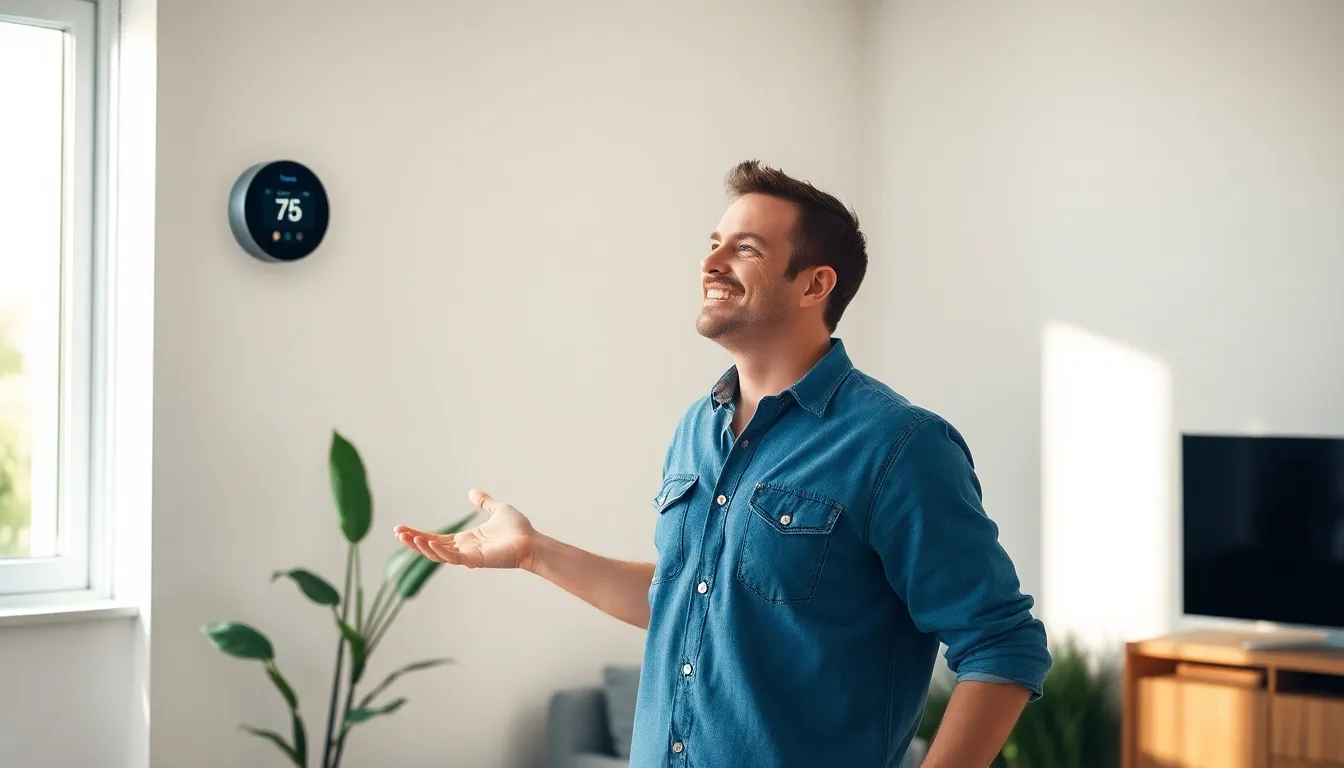
Smart technology isn’t just a buzzword; it’s the magic wand transforming everyday life into something out of a sci-fi movie. Imagine waking up to your coffee brewing itself while your thermostat adjusts to the perfect temperature—sounds like a dream, right? Well, with smart gadgets, that dream is just a tap away.
Overview of Smart Technology
Smart technology significantly alters daily routines, integrating into various aspects of life seamlessly. This innovative technology encompasses devices and systems that automate tasks, providing enhanced convenience and efficiency.
Devices like smart speakers and home assistants enable users to control lighting, heating, and security systems using voice commands. Integration with smartphones creates a user-friendly experience through apps, allowing users to monitor and manage devices remotely.
Wearable technology, such as smartwatches and fitness trackers, helps individuals track health metrics, enabling better lifestyle choices. Collecting data on physical activity and sleep promotes proactive health management.
Home automation systems enhance security through smart locks and cameras. These systems offer real-time notifications and remote access, ensuring peace of mind.
The Internet of Things, or IoT, connects devices for improved communication and interoperability. This connection fosters a smart environment, where appliances communicate and function together efficiently.
Benefits of smart technology include energy savings and cost reductions. By optimizing energy consumption, smart thermostats and lighting systems lower utility bills, promoting sustainability.
Overall, smart technology shapes modern living by making tasks simpler and more efficient. As innovations continue to emerge, daily experiences will evolve further, integrating advanced technology into everyday life.
Benefits of Smart Technology

Smart technology offers numerous advantages, enhancing daily life in significant ways. Key benefits include improved efficiency and better connectivity.
Enhanced Efficiency
Smart devices significantly streamline routine tasks. Automation in gadgets like smart thermostats adjusts temperatures based on user preferences, reducing energy waste. Voice-controlled assistants provide immediate access to information, eliminating the need for manual searches. Moreover, task scheduling through smart devices fosters productivity by simplifying day-to-day operations. Streamlining simple chores allows individuals to focus on more important activities, enhancing overall quality of life. Smart home systems also enable remote management, making it easier to control appliances, lighting, and heating from anywhere.
Improved Connectivity
Smart technology transforms communication among devices and users. By connecting smartphones, tablets, and appliances, users achieve seamless integration across platforms. The Internet of Things (IoT) ensures gadgets communicate, leading to coordinated actions within the smart home environment. Notifications from smart security systems keep users informed about their home’s status in real time. Additionally, wearable devices sync data with smartphones, promoting proactive health management. This interconnectedness fosters a more integrated lifestyle, reinforcing convenience and accessibility in everyday activities. Enhanced connectivity cultivates a modern living space, making it more efficient and user-friendly.
Challenges in Smart Technology
Smart technology presents notable challenges that impact its effectiveness and user experience. Two key areas of concern include privacy and integration.
Privacy Concerns
Privacy concerns often arise with the use of smart devices. Many devices collect personal data to enhance functionality, raising issues regarding data security. Smart speakers, for example, constantly listen for commands, which can lead to unintended recordings of private conversations. Data breaches can expose sensitive information, making users vulnerable. Regulations like the General Data Protection Regulation (GDPR) implement guidelines to protect personal data. Awareness of privacy settings is crucial for users who want to maintain control over their information.
Integration Issues
Integration issues frequently hinder the seamless operation of smart technologies. Compatibility among devices from different manufacturers poses a significant challenge. For instance, smart home gadgets might not communicate effectively, leading to fragmented experiences. Users often face difficulties when trying to control multiple devices through a single interface. Standardization efforts in protocols, such as Matter, aim to address these concerns. A consistent framework can improve collaboration among devices, facilitating a cohesive smart environment.
Future Trends in Smart Technology
Smart technology continues to evolve, promising innovative solutions in various sectors. Key trends shaping the future include advancements in artificial intelligence, machine learning, and the Internet of Things.
AI and Machine Learning
Artificial intelligence drives significant advancements in smart technology. Enhanced algorithms enable devices to learn user preferences, creating personalized experiences. Voice-activated systems become increasingly adept at understanding context, allowing for more natural interactions. Machine learning enhances predictive capabilities, optimizing efficiency in home automation systems. Improved decision-making processes lead to smarter energy use, reducing waste and promoting sustainability. As AI evolves, it transforms routine tasks, making daily life easier and more enjoyable.
Internet of Things (IoT) Innovations
Innovations in the Internet of Things revolutionize device interconnectivity. Seamless communication among devices increases functionality and user experience. Smart appliances can now share data to optimize performance, resulting in efficient resource management. Enhanced sensor technologies facilitate real-time monitoring of home security and energy consumption. Innovations also expand into sectors like healthcare, where connected devices monitor patient health remotely. These advancements foster smarter environments that respond proactively to user needs, enhancing the quality of everyday life.
Smart technology’s influence on daily life is undeniable. As it continues to evolve it brings a level of convenience and efficiency that transforms how individuals manage their routines. From voice-activated assistants to smart home systems these innovations not only streamline tasks but also promote a more connected lifestyle.
While the benefits are significant challenges like privacy concerns and integration issues need careful consideration. As users navigate this landscape awareness and understanding of technology’s implications are crucial.
Looking ahead the future of smart technology promises even greater advancements. As AI and IoT develop further they will create smarter environments that adapt to user needs. Embracing these changes will help individuals harness the full potential of smart technology in their everyday lives.