
In a world where plastic straws and climate change headlines seem to be having a heated debate, environmental technology steps in like a superhero with a cape made of recycled materials. It’s not just about saving the planet anymore; it’s about making sustainability cool, trendy, and, dare we say, fun. From solar panels that look like art installations to apps that track your carbon footprint while you sip your organic kale smoothie, this tech revolution is transforming how we interact with Mother Earth.
What Is Environmental Technology?
Environmental technology refers to the application of scientific and engineering principles to develop solutions that improve environmental quality. Solutions range from renewable energy systems to waste management processes. These technologies aim to reduce human impact on the planet while promoting sustainability.
One key aspect of environmental technology involves clean energy sources. Solar panels and wind turbines exemplify innovations that harness natural phenomena for power. They enable individuals and businesses to reduce reliance on fossil fuels, offering a cleaner alternative.
Air and water purification systems also fall under this category. Technologies like advanced filtration and bioremediation remove contaminants, ensuring healthier ecosystems and communities. These systems not only enhance public health but also support the restoration of natural habitats.
Smart technologies play a crucial role in environmental monitoring. Sensors and data analysis tools enable real-time tracking of air quality, water resources, and biodiversity. Such innovations empower individuals and organizations to make informed decisions regarding their environmental impact.
Waste management technologies represent another vital element. Composting, recycling, and waste-to-energy processes demonstrate advancements that minimize landfill contributions. They transform waste into valuable resources, reinforcing a circular economy.
Regulatory frameworks support environmental technology development. Policymakers worldwide promote sustainable practices, incentivizing businesses to adopt innovative solutions. Government grants and tax credits encourage research and deployment, fostering an environment where technology thrives.
Ultimately, environmental technology serves as a bridge between innovation and sustainability. It creates avenues for individuals and organizations to engage positively with environmental challenges, enhancing the quality of life while prioritizing eco-friendly practices.
Key Innovations in Environmental Technology
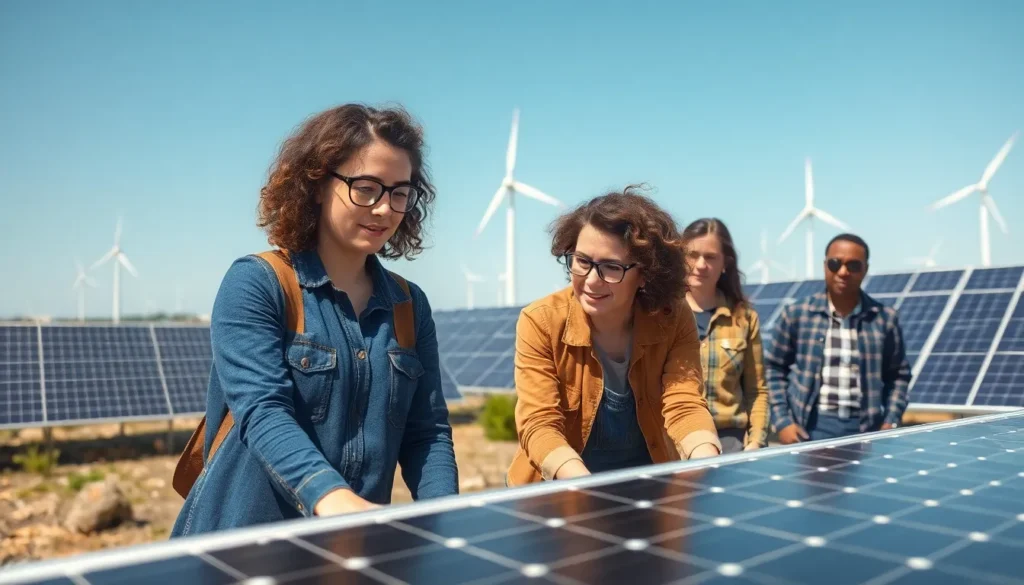
Environmental technology continuously evolves, introducing innovative solutions that address ecological challenges. Several key areas showcase this progress.
Renewable Energy Solutions
Solar energy systems generate power directly from sunlight, significantly reducing fossil fuel dependency. Wind turbines harness wind currents to produce clean energy on a larger scale. Geothermal energy taps into Earth’s heat, offering a consistent energy source. Bioenergy utilizes organic materials for energy production, contributing to waste reduction. These renewable energy solutions lead to cleaner air and decreased greenhouse gas emissions.
Waste Management Technologies
Composting systems convert organic waste into nutrient-rich soil, enhancing agricultural practices. Advanced recycling technologies identify materials for reuse, minimizing landfill dependency. Anaerobic digestion processes organic material to generate biogas, providing a renewable energy source. Smart waste sorting systems use artificial intelligence for efficient separation, increasing recycling rates. Such waste management technologies promote sustainability and foster a circular economy.
Water Purification Methods
Filtration systems remove contaminants from water, improving accessibility and safety. Reverse osmosis uses pressure to separate pollutants, ensuring clean drinking water. UV sterilization employs ultraviolet light to eliminate harmful microorganisms, enhancing public health. Advanced oxidation processes break down pollutants at a molecular level, achieving high purification standards. These water purification methods are essential for addressing water scarcity and ensuring safe water supply.
Benefits of Environmental Technology
Environmental technology provides crucial advantages that enhance both the economy and society. These benefits significantly contribute to sustainable development and improved quality of life.
Economic Advantages
Economic benefits stem from the adoption of environmental technologies. Investment in renewable energy sources, for example, reduces long-term energy costs for businesses and households. Job creation occurs in clean energy sectors, fostering new employment opportunities. Innovative waste management techniques also lower disposal costs, promoting efficient resource use. A boost in energy efficiency leads to significant savings for consumers and companies. Moreover, market growth in environmental technologies drives innovation, resulting in new products and services. By prioritizing sustainable practices, organizations foster competitive advantages, attracting eco-conscious customers.
Social Impact
Social improvements arise from enhanced environmental quality. Clean air and water initiatives, for instance, lead to better public health outcomes and decreased healthcare costs. Communities benefit from educational opportunities related to sustainability practices. Access to green technologies often improves overall living conditions, enhancing community resilience. Public awareness of environmental issues grows alongside the implementation of these technologies, fostering collective action. Technology-driven solutions also encourage social equity by providing underserved populations with access to clean energy and water. These advancements transform communities, creating healthier, more engaged citizens.
Challenges Facing Environmental Technology
Environmental technology faces various challenges that can hinder its effectiveness and adoption. Understanding these hurdles helps identify potential solutions.
Regulatory Hurdles
Regulatory hurdles often impede the advancement of environmental technology. Complex regulations can slow down the process of innovation. Uncertainty in policy frameworks prevents companies from making long-term investments in sustainable solutions. Agencies may also lack resources to enforce existing regulations, leaving gaps in compliance. Streamlined regulations could encourage more businesses to adopt green technologies. Modification of existing laws may reduce barriers and promote further innovation.
Technology Adoption Barriers
Technology adoption barriers can deter the implementation of environmental technology. High initial costs pose a significant obstacle for many organizations. Lack of awareness about available technologies leads to missed opportunities for sustainability. Training programs often fall short, leaving employees unprepared to use advanced systems effectively. Resistance to change within some organizations can also stifle progress. Cultivating a culture of innovation may help overcome skepticism toward new methods. Clear communication of benefits can promote broader acceptance across industries.
Future Trends in Environmental Technology
Emerging trends in environmental technology showcase several promising innovations. Artificial intelligence (AI) is gaining traction, enabling smarter energy management systems that optimize resource use and reduce waste. Blockchain technology is also applying to sustainability initiatives, ensuring transparency in supply chains for eco-friendly products.
Big data analytics play a vital role in advancing environmental technologies. Analyzing extensive amounts of environmental data allows for better decision-making in resource management. Drone technology is transforming environmental monitoring by providing real-time imagery of ecological changes, facilitating more effective responses to environmental issues.
Electric vehicles (EVs) continue to evolve, with advances in battery technology leading to longer ranges and faster charging times. Adoption rates for EVs increase, contributing to reduced greenhouse gas emissions from the transportation sector. Additionally, sustainable agriculture practices are expanding, driven by precision farming techniques that minimize resource use while maximizing yield.
Circular economy models are gaining attention, promoting the reuse of materials to reduce waste. Companies are beginning to recognize the financial and environmental benefits of integrating circular principles into their operations. Green buildings are also on the rise, incorporating energy-efficient designs and sustainable materials to reduce their ecological footprint.
Collaboration between governments and tech companies is crucial for accelerating innovation in environmental technology. Incentives for businesses adopting sustainable practices foster a more robust market for green solutions. Environmental education initiatives are essential for raising awareness about the importance of adopting these technologies.
Collectively, these trends illustrate a shift towards a more sustainable future. Emphasizing innovative solutions not only enhances environmental quality but also positively impacts society and the economy.
Environmental technology stands at the forefront of a sustainable future. Its innovative solutions not only address pressing ecological challenges but also enhance everyday life. By integrating style and functionality, these technologies make eco-conscious living appealing and accessible.
The ongoing evolution of renewable energy, waste management, and water purification reflects a commitment to improving environmental quality. With the potential to drive economic growth and social equity, these advancements foster healthier communities.
As industries navigate regulatory hurdles and embrace emerging trends, the path to widespread adoption of environmental technology becomes clearer. This journey not only strengthens the bond between society and the environment but also paves the way for a more sustainable and vibrant world.